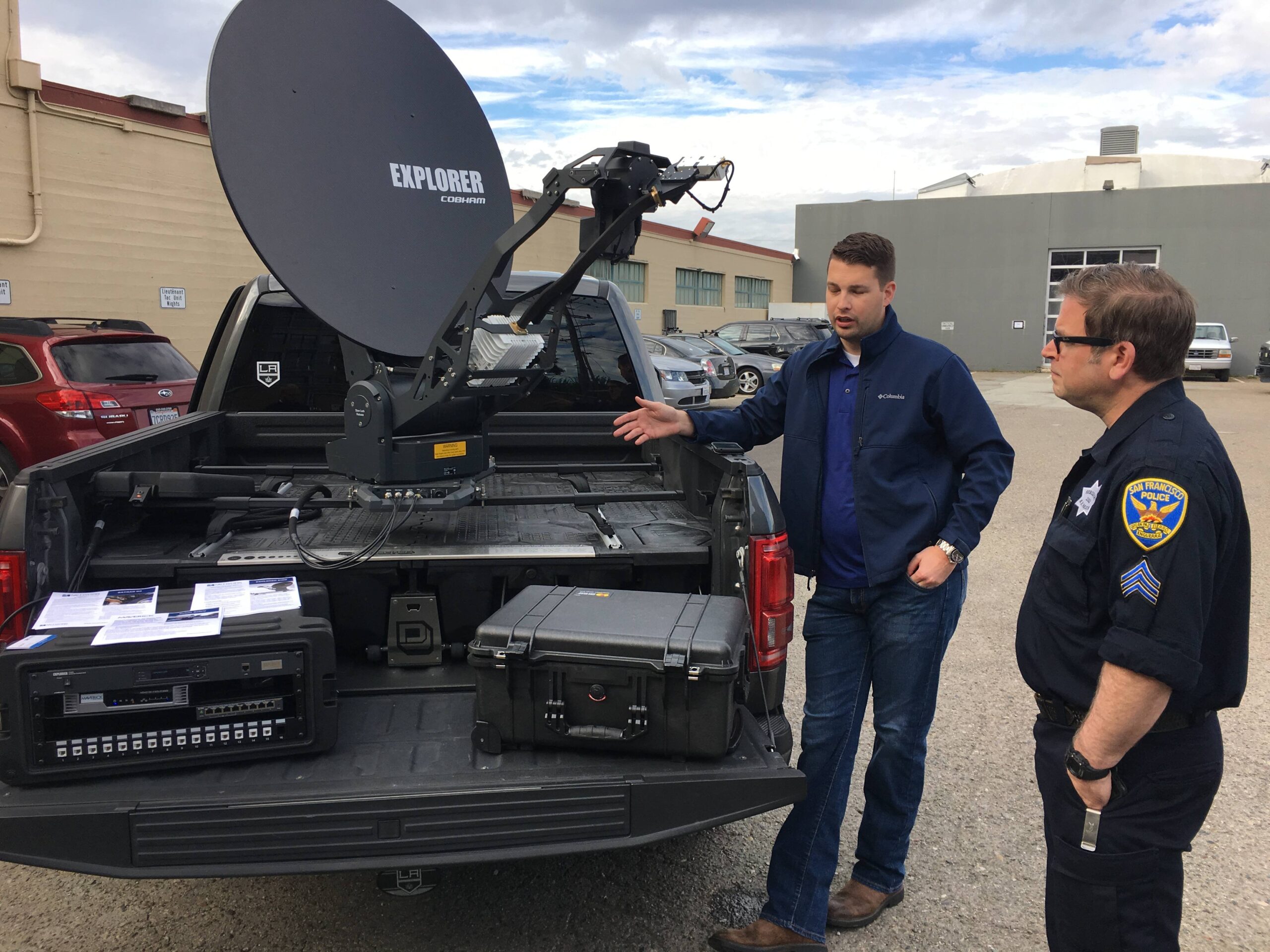
Why Is Communication Redundancy Important During an Emergency?
Communication redundancy gives organizations alternate ways to stay connected if a primary network fails. As natural disasters, infrastructure damage, severe weather, and other disruptions become more common, dependable backup communications play an increasingly important role in emergency preparedness.
At Remote Satellite Systems, we recommend building resilience through multiple technologies rather than depending on one connection. A strong approach may include:
• Portable satellite phones for independent voice communications
• Starlink for relatively affordable, high-speed satellite internet
• Existing cellular or terrestrial networks
• Emerging direct-to-cell satellite capabilities
• Regular reviews as equipment and services continue to evolve
For now, handheld satellite phones remain one of the most dependable tools for emergency backup voice communications. Starlink adds valuable high-speed connectivity, while direct-to-cell technology may offer another practical option as the technology matures over the next several years.
Plan for the Possibility That Primary Networks Will Fail
At Remote Satellite Systems, we believe critical communications should never depend entirely on a single pathway. Disasters and infrastructure failures can disrupt cellular towers, internet service, landlines, electrical grids, and other systems that organizations rely on during normal operations.
That risk makes a robust backup strategy increasingly important. If one network becomes unavailable, another should be ready to take its place. Planning ahead reduces dependence on a single point of failure and gives teams a better chance of maintaining essential communications during an emergency.
The right approach depends on operational requirements, location, mobility, and the consequences of losing connectivity. We therefore look at emergency communications as a layered system rather than a single piece of equipment.
Understand Starlink’s Role in Emergency Connectivity
We recognize why Starlink has attracted so much attention. It offers relatively fast satellite internet at a comparatively accessible cost and can bring broadband connectivity to locations where traditional terrestrial service is unavailable or unreliable.
Those advantages make it useful for remote work, temporary deployments, field operations, and secondary internet access. However, we do not consider Starlink a complete emergency plan by itself.
Compared with satellite technologies that have supported critical users for many years, Starlink has a shorter track record across major emergency situations. Its operation also depends on factors such as available power, functioning equipment, network capacity, and a suitable view of the sky.
For that reason, we see Starlink as one valuable layer within a broader communications strategy. Its speed and affordability are important strengths, but mission-critical organizations still benefit from having redundant and dedicated voice and cloud-based communication paths available if conditions interfere with internet connectivity.
Keep Portable Satellite Phones Ready
For now, we consider portable handheld satellite phones one of the most reliable redundancy tools available. Their strength comes from their independence from local terrestrial infrastructure. A satellite phone does not require a nearby cellular tower, local cable connection, or functioning landline network. That can become especially important after a disaster damages existing regional wireless communication infrastructure.
Portability adds another advantage. Teams can carry a handheld unit during evacuations, field assignments, emergency response, or operations beyond conventional cellular coverage.
We still encourage organizations to treat satellite phones as part of an active preparedness program rather than equipment that simply sits on a shelf. Service should remain current, batteries and accessories should be checked, and personnel should understand how to use the device before an emergency occurs.
A simple, dependable voice connection is critical and extremely powerful when normal communications are no longer available.
Watch Direct-to-Cell Technology as It Advances
We are also closely watching direct-to-cell satellite technology. This developing capability is intended to allow standard mobile phones to connect with Low Earth Orbit satellites when terrestrial cellular coverage is unavailable.
The potential is significant. If ordinary smartphones can communicate directly through satellite networks without specialized hardware, organizations and individuals could eventually gain another useful layer of resilience on their existing handheld devices without the need for a dedicated satphone.
We do not believe the technology is fully ready to replace established emergency communication tools today. Questions involving capacity, priority access, coverage, reliability, and performance during large-scale disruptions still need to be considered.
Over the next two to three years, however, we expect direct-to-cell capabilities to become increasingly viable. As that happens, they may play a larger role alongside existing cellular, internet, and dedicated satellite solutions.
Build Redundancy Around the Best Available Technology
Communication technology is changing rapidly, which means emergency planning cannot remain static. We believe resilient organizations should periodically evaluate their backup equipment, available networks, and operational requirements to make sure their systems still reflect the best available options.
A layered plan may combine terrestrial internet, cellular service, Starlink or other LEO satellite broadband solution, and portable satellite voice communications. As direct-to-cell develops, it may become another valuable component.
At Remote Satellite Systems, we help organizations evaluate communications requirements and build solutions designed around continuity rather than dependence on a single network. If a backup plan has not been reviewed recently, contact our team to make sure the technology supporting critical communications is ready when it matters most.