How Remote Satellite Systems is Redefining Emergency Communication with Blended Network Solutions

How Remote Satellite Systems is Redefining Emergency Communication with Blended Network Solutions

At Remote Satellite Systems, we’ve always believed that reliable communication should never depend on luck. When lives, property, and public safety are on the line, connectivity must be seamless, resilient, and ready when it matters most.

That belief has guided our engineering approach for more than two decades, and it continues to drive how we design and support modern emergency communication systems today.

A Smarter Approach to Connectivity

Many companies in our industry focus on selling satellite phones or airtime plans. Our approach is different. We engineer full systems—complete, integrated communication solutions that combine satellite, LTE, and priority cellular networks into one cohesive structure.

This model, which we call blended communication, allows users to move effortlessly between network types without even realizing it. The technology behind these systems automatically identifies the strongest and fastest connection at any given moment, ensuring a high “quality of service” – QOS, with uninterrupted data and voice transmission.

Instead of relying on a single network, blended systems leverage the strengths of several. When cellular coverage falters, the connection seamlessly transitions to satellite. If a satellite link experiences congestion, the system reroutes through other paths. The result is simple: QOS with reliable communication in every situation.

Built for Public Safety and Business Continuity

Our work is divided equally between two essential markets: public safety and business continuity. For first responders, law enforcement, and emergency managers, communication failures can have devastating consequences. These agencies rely on us to design and maintain systems that remain operational when terrestrial networks fail.

At the same time, we serve financial institutions, hospitals, and enterprise clients that need constant connectivity to protect data, manage transactions, and coordinate logistics. Business continuity depends on the same principles that support emergency response: dependability, speed, and smart design.

Our solutions help organizations stay connected through:

  • Engineered redundancy that ensures multiple layers of connectivity.
  • Smart switching technology that automatically finds the best available signal.
  • Comprehensive documentation and training to keep teams prepared.
  • Immediate technical support that resolves issues quickly and efficiently.

By developing systems that meet both emergency and enterprise needs, we help organizations maintain operations during any crisis, from natural disasters to cyber disruptions.

Engineering Beyond the Hardware

A blended communication network is only as strong as the team that builds it. That’s why our process begins with engineering, not sales. Every project starts with a detailed assessment of the client’s use-case , followed by the physical environment, including building structure, antenna placement, cabling routes, and equipment interfaces.

From hospitals and airports to government command centers, every site presents its own challenges. We design each system to suit the location, considering how operators will use it and what they’ll need during an emergency. Once the infrastructure is complete, we handle installation, testing, documentation and training to ensure long-term reliability.

Our involvement doesn’t end once the system goes live. We provide immediate phone support and ongoing maintenance to keep every client’s communication network functioning at peak performance. If something goes wrong, our team answers the call right away.

The Power of Priority and LEO Networks

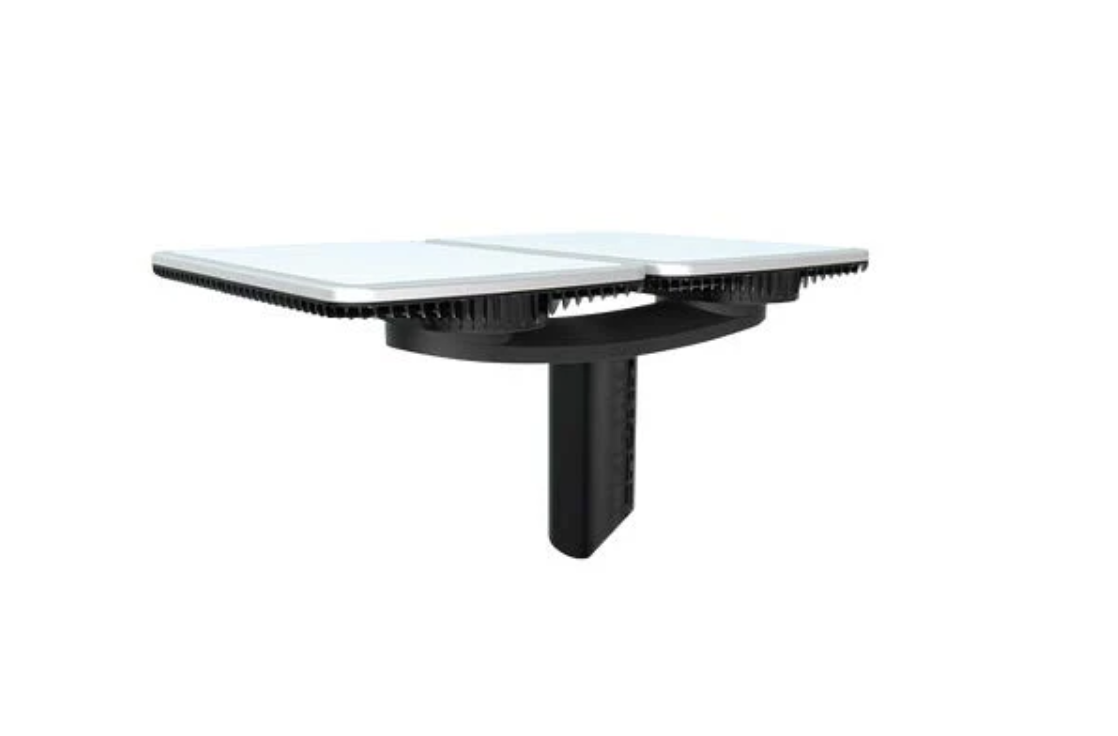
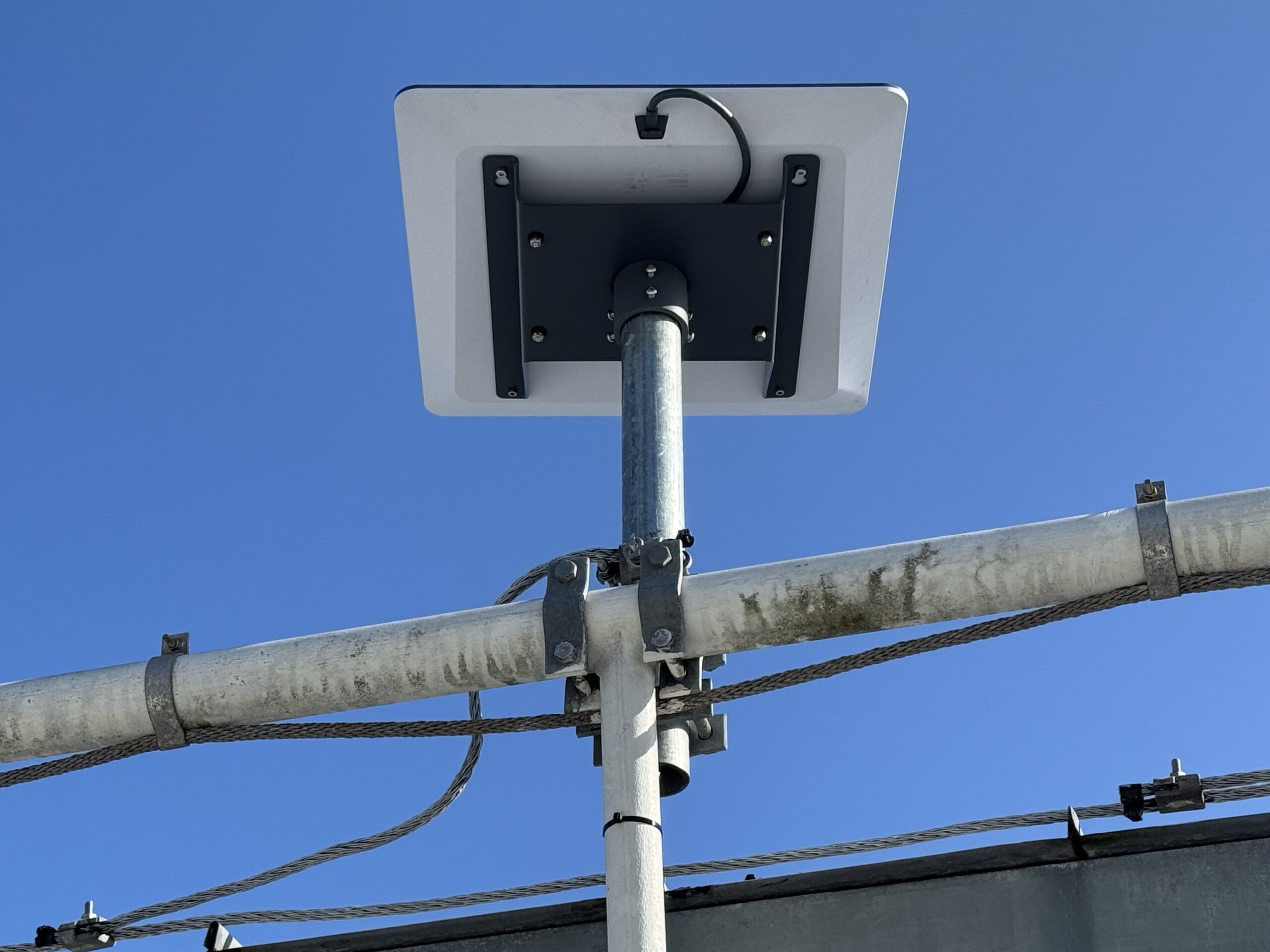
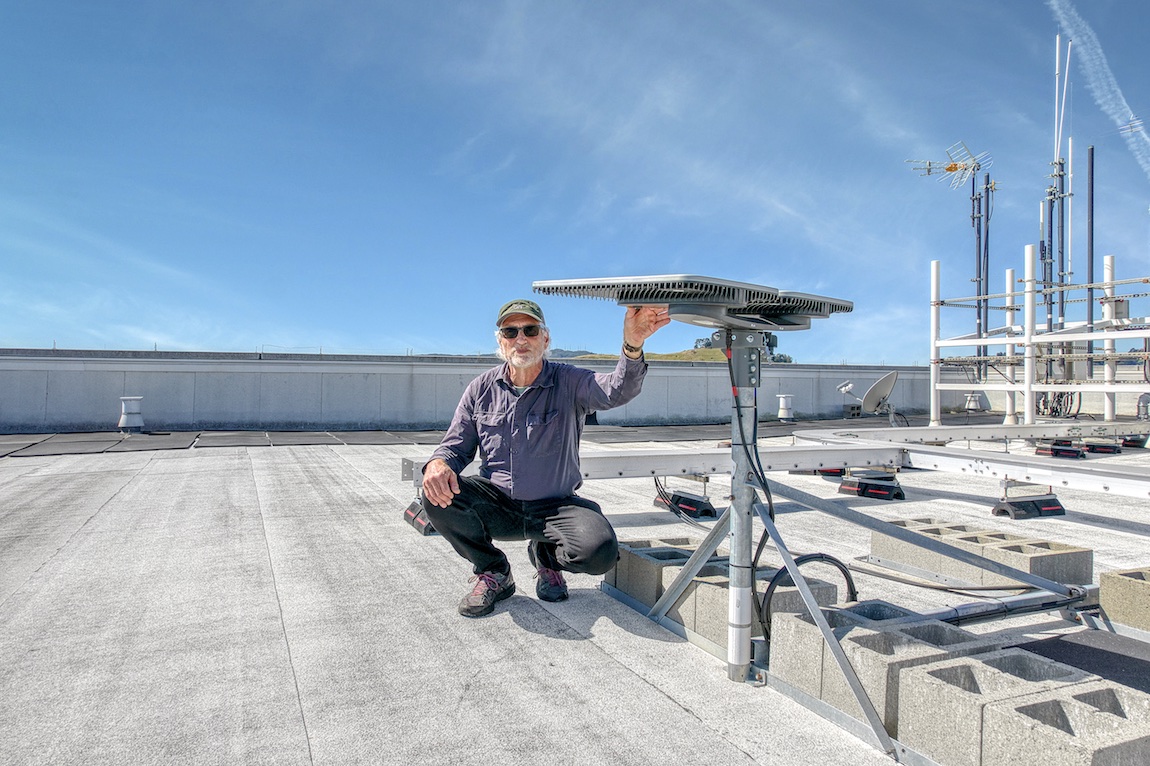
One of the most transformative elements of modern communication design is the integration of Low Earth Orbit (LEO) satellite networks like Starlink and OneWeb. These systems provide faster speeds and lower latency compared to traditional geosynchronous satellites, while flat-panel antennas eliminate the mechanical components that once made satellite systems more complex.

Combined with Priority Cellular services such as FirstNet or Verizon’s public safety networks, our blended systems ensure clients always have the highest level of connection available. The technology continually measures network conditions and reroutes traffic as needed, making communication virtually seamless.

This balance between proven reliability and cutting-edge performance defines the new standard for emergency and backup communications.

Img 8142

Documentation and Lifelong Support

Technology evolves, but our commitment to support remains constant. We meticulously document every installation, from cable routing diagrams to operational procedures, so clients can sustain system knowledge even as staff changes.

This level of detail has proven invaluable for institutions such as hospitals and municipal agencies that depend on continuity. It also allows our team to troubleshoot quickly and effectively, often resolving issues within minutes.

We maintain historical records of every system we install, which means we can answer questions and offer support even years after the original deployment. This continuity of care is what sets us apart in an industry where long-term support is often an afterthought.

Bridging Innovation and Reliability

Blended communication isn’t just a technical term. It represents a new philosophy for keeping people connected. By integrating multiple network technologies, we eliminate the single points of failure that once threatened emergency communication systems.

Our mission has never been to sell the most equipment; it has always been to build the most dependable systems. From engineering and installation to training and lifetime support, we provide end-to-end solutions that our clients can trust when everything else fails.

Staying Connected When It Counts

At Remote Satellite Systems, we’re proud to be shaping the future of resilient communication. As technology continues to evolve, we’ll keep combining proven methods with new innovations to meet the growing demands of public safety and enterprise communication.

If your organization depends on clear, uninterrupted connectivity during critical moments, we invite you to learn more about how our blended communication systems can help keep you connected anywhere, anytime.

Connecting Critical Care: How Remote Satellite Systems Built a Blended Communication Network for San Francisco General Hospital

Connecting Critical Care: How Remote Satellite Systems Built a Blended Communication Network for San Francisco General Hospital

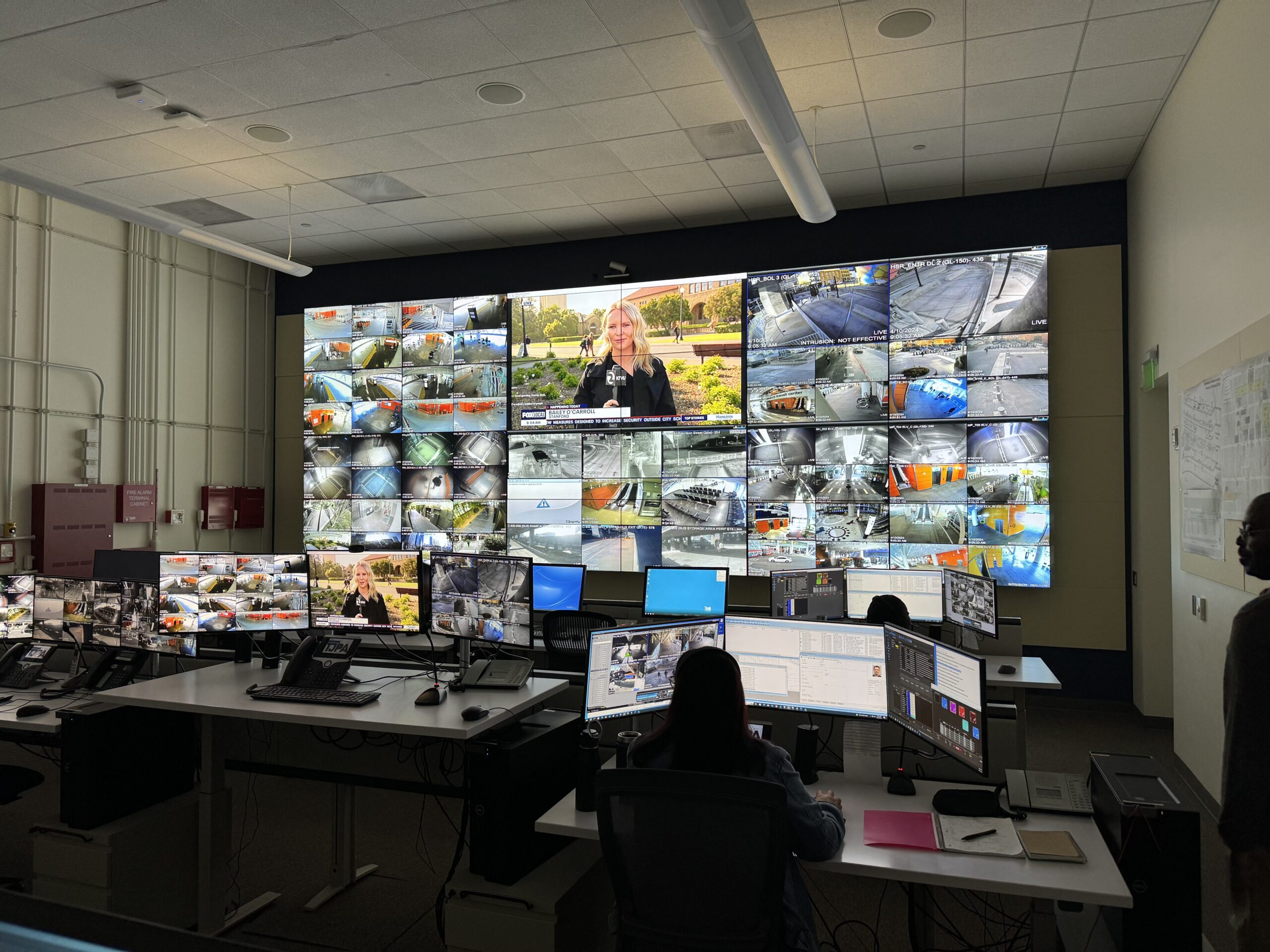
At Remote Satellite Systems, we understand that in a hospital, every moment matters. Communication breakdowns can delay emergency responses, disrupt coordination, and put patient safety at risk. That’s why when San Francisco General Hospital needed a dependable backup communication network for its facilities, we designed a blended satellite system engineered for reliability, speed, and long-term support.

This project demonstrates how advanced technology, practical engineering, and hands-on partnership can come together to strengthen an institution’s emergency readiness.

A Hospital That Can’t Afford Downtime

As one of the largest and busiest public hospitals in Northern California, San Francisco General must remain connected through every situation—from citywide power outages to major disasters. Traditional cellular and fiber networks are vulnerable to congestion or damage during emergencies, so the hospital needed a solution that would guarantee voice and data connectivity no matter what happened on the ground.

Our team developed a fully integrated blended communication system linking two separate hospital buildings located several blocks apart. Both structures now share the same satellite connection, ensuring instant redundancy and uninterrupted communication across their emergency network.

What Makes a Blended System Different

A blended system merges multiple connection types—satellite, LTE, and priority cellular—into a single, intelligent network. This design continuously monitors all available pathways and automatically routes traffic through the fastest, most reliable option.

For San Francisco General, this means:

  • Automatic failover protection if one network experiences congestion or failure.
  • Simultaneous data and voice support, keeping staff connected in real time.
  • Priority cellular integration using FirstNet SIM cards to give emergency personnel network access even when public networks are overloaded.
  • LEO satellite connectivity through providers such as Intelsat’s OneWeb, offering faster speeds and lower latency than traditional geosynchronous systems.

These combined capabilities create a communication safety net that adapts to changing conditions without user intervention.

Engineering the System from the Ground Up

Every installation we complete begins with engineering, not sales. For this project, our team evaluated the hospital’s existing infrastructure, antenna locations, and cable pathways before finalizing the system design. The two facilities were connected through one satellite gateway, allowing both to operate from a unified communications hub.

Our work included:

  • Mounting flat-panel antennas for optimal performance and reduced maintenance.
  • Running dedicated cabling through complex hospital structures.
  • Designing intuitive control layouts so staff can quickly access key functions.
  • Providing detailed documentation to preserve institutional knowledge.

The completed network allows administrators and emergency personnel to communicate instantly between departments, campuses, and external agencies—even during severe disruptions.

Speed and Simplicity Through LEO Innovation

Traditional geosynchronous (GEO) satellite systems have served as reliable backups for decades, but their high orbit introduces latency that can affect data transfer speed. The shift to Low Earth Orbit (LEO) satellites such as Starlink and OneWeb represents a major advancement in performance.

For San Francisco General, that improvement was immediately clear. The LEO-to-GEO configuration we implemented delivers:

  • Significantly faster data transfer rates.
  • Easier setup and operation for non-technical staff.
  • Minimal maintenance thanks to antennas with no moving parts.

By combining the proven reliability of GEO systems with the responsiveness of LEO networks, the hospital gained a resilient, future-ready communication backbone that can evolve as technology advances.

More Than Installation: Training and Ongoing Support

A system is only as effective as the people who use it. That’s why our partnership with San Francisco General didn’t end after installation. We provided in-depth training for their teams, outlining clear procedures for testing, maintenance, and emergency operation.

We also developed a comprehensive support manual that details every cable, device, and connection. Hospitals experience frequent staff changes, and maintaining operational knowledge is essential. This documentation ensures the next person in line can quickly understand and manage the system, regardless of turnover.

Our clients also know they can reach us directly. We answer support calls in real time, not through automated systems. That immediate response gives organizations confidence that help is only a phone call away.

Setting a New Standard for Emergency Communication

The San Francisco General Hospital project shows how blended networks can redefine what emergency communication looks like. By integrating advanced technology with thoughtful engineering and ongoing service, we built a system that doesn’t just work during crises; it thrives in them.

This approach reflects our broader mission: to help institutions move beyond isolated tools and toward intelligent, resilient systems that protect lives and sustain operations.

Partnering for the Future

As technology continues to evolve, our focus remains the same: designing systems that serve real people in real-world conditions. Hospitals, emergency agencies, and critical infrastructure providers need communication solutions they can count on, no matter the challenge.

At Remote Satellite Systems, we’re proud to deliver exactly that.

If your organization is exploring communication upgrades or blended network options, we’d be glad to share our expertise. Contact our team to learn more about how we design, install, and support systems that keep communities connected when it matters most.

Check out our feature in IP Access International.

Starlink’s Direct-to-Cell Is Changing Connectivity—But Not for First Responders

Starlink’s Direct To Cell Is Changing Connectivity—but Not For First Responders

At Remote Satellite Systems, we’ve spent more than two decades helping organizations stay connected when traditional networks fail. From emergency responders to government agencies, utilities, and remote-industry operators, our clients rely on communications solutions that remain dependable under pressure. Because of that, we stay at the forefront of every major development in satellite technology.

One of the biggest shifts we’re watching right now is Starlink’s new ability to deliver broadband and voice directly to standard cell phones—anywhere.

This advancement marks a turning point for everyday connectivity. Satellite communication is entering the mainstream in a way that hasn’t been feasible before, and consumers will soon experience coverage in places that were historically unreachable. But while this is a milestone for the average user, it does not replace the need for professional-grade satellite systems used by first responders, public safety teams, and organizations with mission-critical requirements, at least not just yet.

A Major Upgrade in Everyday Mobile Connectivity

Starlink’s Direct-to-Cell initiative is designed to treat satellites like orbital cell towers. Instead of requiring dishes, antennas, or specialized satellite phones, ordinary LTE-enabled smartphones will be able to connect directly to Starlink satellites.

According to industry reports and recent licensing developments, Starlink has purchased spectrum that allows this service to roll out in North America first, followed by eventual global expansion. The company plans to support messaging, voice, and broadband data through a dedicated mobile app. The underlying architecture builds on the same principles already used for emergency satellite text-to-911 capabilities—except this time, scaled for everyday use.

For consumers, this means the gaps on coverage maps may disappear. Remote lakes, mountains, deserts, rural roadways, and recreation areas could soon offer seamless connectivity without special equipment. Based on current development timelines, this functionality is expected to become publicly available within the next two to three years.

What This Means for the Average Consumer

Once this service becomes widely accessible, individuals who have traditionally purchased satphones for backcountry travel, hunting, boating, or rural living may no longer need specialized devices. Their existing smartphones will handle basic satellite connectivity automatically through the Starlink app.

For families, travelers, and people spending time in remote areas, that means:

  • No more juggling multiple devices
  • No external antennas or terminals
  • Easier emergency access
  • More affordable entry-level satellite coverage

In short, we are entering a moment when the average consumer can reasonably “say goodbye” to dedicated satphones.

But this shift does not apply universally, and it does not eliminate the operational requirements of organizations that depend on hardened, high-reliability, and multi-layered communication systems.

Why Dedicated Enterprise Satellite Communication Solutions Aren’t Going Anywhere

While smartphone-based satellite coverage is exciting, it is not designed to replace the advanced, resilient systems needed by emergency services, public safety teams, or field operators who depend on uninterrupted connectivity during high-risk situations.

Here’s why dedicated enterprise satellite solutions remain essential:

1. Redundancy and Reliability

Public safety environments do not allow for single-point-of-failure systems. Smartphones connecting to a single satellite network cannot meet the reliability requirements of agencies that must communicate in storms, natural disasters, heavy smoke, debris interference, or grid failures.

Our clients in fire services, law enforcement, utilities, and government agencies depend on multi-network redundancy that only specialized satellite equipment can provide.

2. Hardened Devices for Harsh Conditions

Consumer smartphones aren’t designed for:

  • Wildfire response
  • Marine operations
  • Long-duration field deployments
  • Tactical environments
  • Severe weather or extreme temperatures

Ruggedized satphones, push-to-talk radios, and portable blended communication systems remain unmatched in these situations.

3. Secure, Managed Communications

Organizations working with sensitive data, encrypted networks, or mission-critical operations require secure communication channels that consumer apps cannot deliver. From dedicated bandwidth to private networks, professional satellite systems support security and reliability at levels not achievable through general-consumer satellite service.

4. Guaranteed Service Levels

Starlink’s Direct-to-Cell architecture is designed for broad accessibility, not guaranteed uptime. In contrast, the equipment we deploy for first responders and government agencies includes service-level expectations, multiple service pathways, and support structures necessary for emergency readiness.

A New Era—and an Ongoing Responsibility

As this technology matures, we expect to see a major shift in how everyday users think about satellite connectivity. It will make remote communication more accessible, and that’s a positive development for personal safety, travel, and rural living. We support these advancements wholeheartedly.

At the same time, our responsibility remains unchanged: to make sure organizations that cannot afford communication failures continue to have the strongest, most dependable satellite systems available.

Starlink’s Direct-to-Cell is exciting, but it is one piece of a much larger ecosystem of critical-communication tools. For agencies that must operate during wildfires, power outages, infrastructure failures, and natural disasters, dedicated satellite equipment will remain essential for the foreseeable future.

How We Support the Next Generation of Connectivity

As satellite technology evolves, we evolve with it. At Remote Satellite Systems, we continuously evaluate new solutions and integrate the technologies that deliver real value to our clients. From Inmarsat and Iridium to emerging low-Earth-orbit systems, our role is to ensure that customers have the right tools, the right reliability, and the right support for their missions.

Whether you’re preparing your organization for emergency communications, upgrading your field equipment, or exploring new backup communication requirements, we’re here to help you navigate the changes ahead.

If you’d like to learn more about reliable satellite communication solutions or how to build a multi-layered connectivity strategy, we welcome you to contact our team.

When Communication Fails: Lessons from the Kerr County Floods

Lessons from the Kerr County Floods

When disaster strikes, the difference between saving lives and losing them often comes down to communication. The tragic floods in Kerr County, Texas, serve as a sobering reminder that even the most modern public safety systems can falter when infrastructure and coverage fall short.

At Remote Satellite Systems, we’ve spent decades designing reliable satellite communication solutions that remain operational when traditional systems fail. What happened in Kerr County reinforces why redundancy, interoperability, and innovation must guide the future of public safety communications.

The Fragile Foundation of Traditional Radio Systems

Public safety radio has come a long way since the invention of the handheld VHF and UHF radio, yet its fundamental limitation remains: line of sight. In rugged, mountainous, or remote terrain, that dependency on towers leads to unavoidable dead zones. When a tower goes down or a signal can’t reach around obstacles, responders lose contact.

That’s exactly what happened in Kerr County. During the devastating July floods, emergency crews struggled to coordinate search and rescue efforts because their newly installed Motorola system lacked adequate coverage. Responders experienced busy signals, garbled messages, and in some areas, complete communication blackouts. In one of the hardest-hit zones near Camp Mystic, where 25 lives were lost, there was virtually no radio coverage.

Even with temporary towers deployed later, it was clear that a $7 million network wasn’t enough to meet the demands of a real-world emergency.

The Satellite Advantage

Unlike traditional land-based radio networks, satellite communication doesn’t depend on towers. All that’s required is an unobstructed view of the sky. Whether you’re deep in a canyon, far offshore, or cut off by downed infrastructure, satellite networks continue to operate.

Our MSAT Push-to-Talk (PTT) radios run on the dedicated U.S. Ligado satellite network, providing nationwide coverage and a reliable backup for first responders. This technology has been proven for decades and continues to serve agencies across the country with secure, instant communication when it matters most.

The strength of satellite-based PTT lies in its ability to integrate into existing systems through SMART Talk Groups: interoperable, flexible channels that connect teams across multiple agencies and regions. In an emergency, that means unified coordination without the need to rely on fragile tower networks.

When One System Dominates

Motorola has long dominated the public safety handheld radio market, bolstered by its reputation and political reach. There’s no denying that Motorola makes capable equipment. However, as Kerr County’s experience shows, even a premium system can leave critical coverage gaps.

The issue isn’t just about one vendor—it’s about system design philosophy. Building communication systems that rely exclusively on fixed infrastructure ignores the realities of today’s environmental and operational challenges. Floods, fires, earthquakes, and power outages can cripple those systems in an instant. True resiliency requires layers of connectivity that can operate independently of each other.

That’s why at Remote Satellite Systems, we emphasize redundancy: the concept that if one layer fails, another takes over seamlessly.

The Future: Interconnected, Blended Systems

The next evolution of public safety communication lies in integration. Thanks to advances in the Internet of Things (IoT), Direct-to-Device (D2D) communication, and software-defined networking (SD-WAN), it’s now possible to move beyond dedicated handheld radios.

In essence, voice communication today is just data, or packets that can travel over any available network, whether it’s satellite, LTE, Wi-Fi, or broadband. That opens the door to what we call Blended Systems: interoperable networks where devices—smartphones, radios, or control consoles—can all speak the same language over multiple transport layers.

With the right network design, responders could use their smartphones as radio devices, seamlessly switching between cellular, satellite, or Wi-Fi connections without losing a signal. The key is interoperability, ensuring that all systems can communicate transparently, regardless of the underlying technology.

This approach doesn’t mean abandoning traditional radio networks. It means supplementing and integrating them into a larger, more resilient ecosystem.

Redundancy Isn’t Optional

The Kerr County floods proved that relying on a single network can have devastating consequences. Every public safety agency, utility, and emergency operation needs multi-layer redundancy: a backup for every possible point of failure.

A well-designed communication strategy includes:

  • Land-based systems for daily operations.
  • Cellular and broadband options for interoperability and data flow.
  • Satellite communication for continuity when infrastructure fails.

By combining these layers, agencies ensure that no disaster, terrain, or network outage can silence their operations.

Looking Ahead

At Remote Satellite Systems, we believe that communication resilience is no longer a luxury—it’s a necessity. The tragedy in Kerr County underscores what’s at stake when coverage and interoperability fall short. As the industry evolves, it’s time to move toward flexible, blended systems that connect every responder, every time, no matter the conditions.


Our team remains committed to helping organizations build reliable, redundant, and future-proof communication networks that protect lives and property. When every second counts, communication shouldn’t fail. It should adapt. It should endure. It should save lives.

Contact our team today to learn how we can strengthen your organization’s communication systems and ensure you’re ready for any situation.

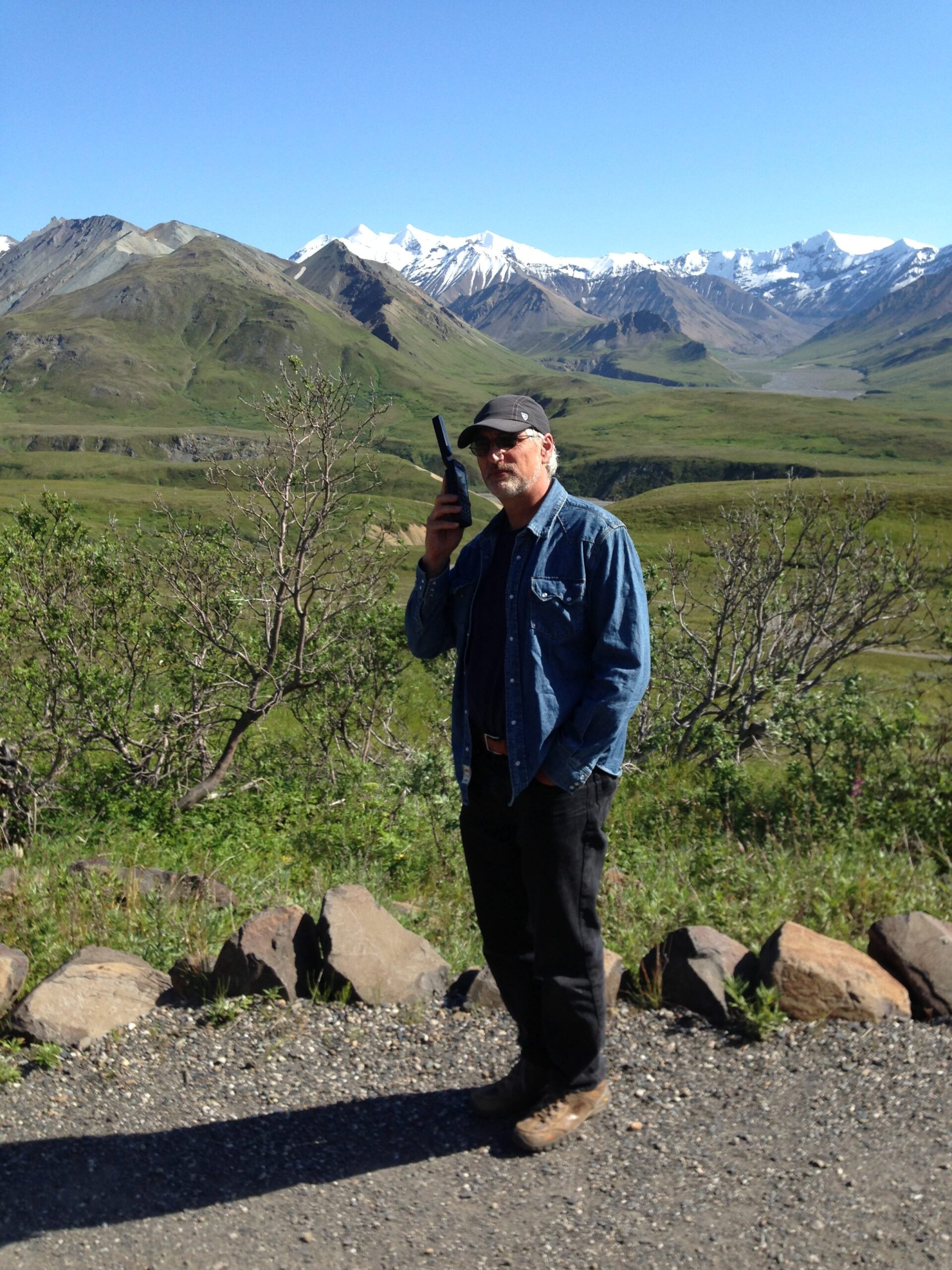
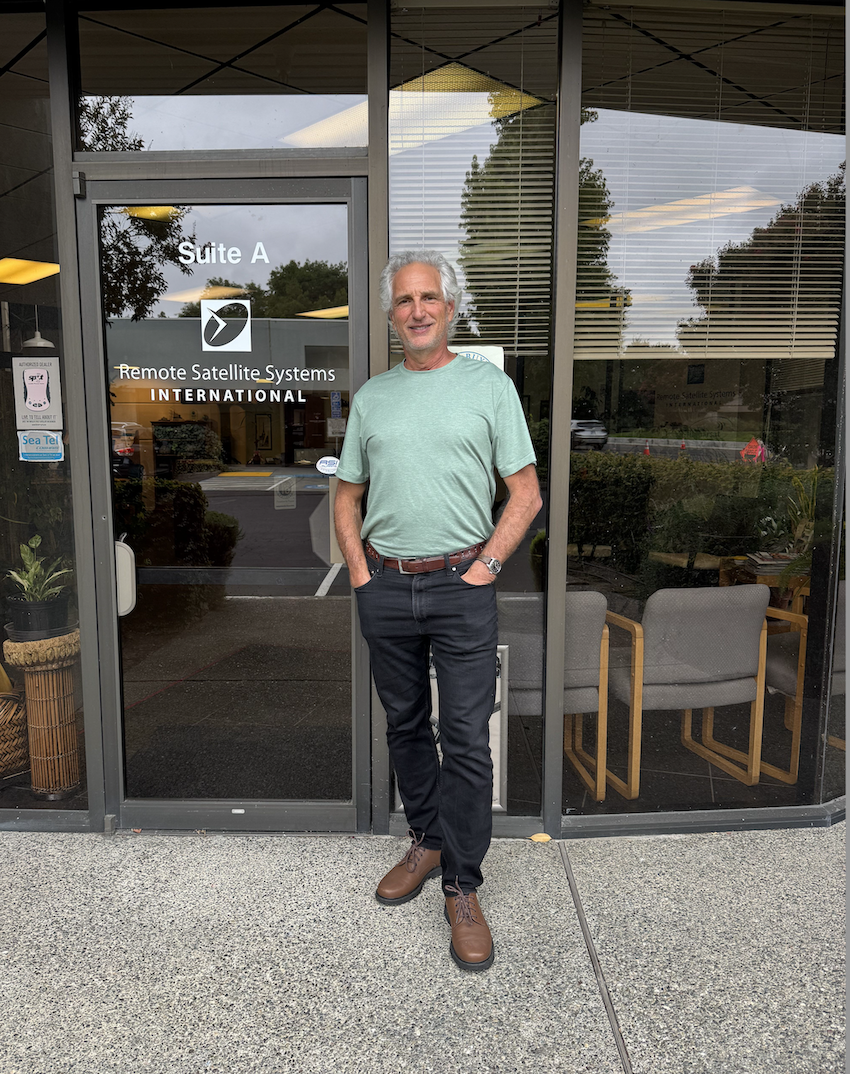
Rob Rosen: Leading Remote Satellite Systems into the Future of Global Communication

Rob Rosen

At Remote Satellite Systems, we take pride in delivering reliable satellite communication solutions to governments, businesses, first responders, and individuals around the world. Our ability to stay ahead of technological advances comes from our deep expertise and leadership, which begins with our founder, Rob Rosen.

Rob’s journey in satellite communications reflects both the rapid evolution of the industry and the vision that continues to guide our company today.

Rob Rosen’s Early Career

Rob earned a degree in Business in 1980 and later graduated from San Francisco State University in 1991 with a degree in Electrical Engineering, emphasizing computer science, and a minor in Communications. This unique combination of business acumen and technical expertise positioned him perfectly for the emerging satellite communications market.

He began his career with Collins Marine Corp as a satellite system installer and electronics radio technician while also helping run the company, where he worked on Navy, Coast Guard, and Merchant Marine communication and navigation systems. At that time, Inmarsat was just beginning to transform the satellite communications field, and Rob was at the forefront as the industry transitioned from analog to digital maritime communications. His work supported critical operations as ships, fleets, and government agencies increasingly relied on satellite links for navigation, safety and efficiency.

Rob’s early contributions gave him a firsthand perspective on the challenges and opportunities of satellite technology—insights that would later define the mission of Remote Satellite Systems.

Founding Remote Satellite Systems

By the late 1990s, satellite technology was advancing quickly, including the launch of the first LEO satellite constellation by Iridium. Digital networks were reducing equipment size and cost, making communication tools more accessible beyond maritime use. In 1998, Rob founded Remote Satellite Systems International with a new focus: providing reliable communication for first responders, rural communities, and anyone who needed dependable service where traditional networks fall short.

The arrival of the Iridium handheld satphone marked another turning point. Suddenly, satellite communication was portable, practical, and versatile enough for a wide range of users. Rob recognized that technology was no longer limited to large ships or remote stations—it could be carried in your pocket. This understanding helped shape Remote Satellite Systems into a trusted partner for both emergency response teams and everyday customers in need of global connectivity.

Building a Company That Does More Than Sell Equipment

From the start, we’ve been more than a retailer of satellite phones and devices. As Rob envisioned, Remote Satellite Systems is also a full-service communications provider. Like a traditional phone company, we buy and sell airtime, but our network isn’t built on copper lines or cellular towers; it’s powered by satellites orbiting hundreds of miles above the Earth.

This dual role means we don’t just hand customers a device and send them on their way. We match the right equipment and network to each unique use case, train customers on how to operate it, and provide ongoing support. Choosing between geosynchronous satellites and low-earth orbit networks, for example, requires a deep understanding of tradeoffs—something our team excels at. That ability to deliver complete solutions with a focus on each customer’s unique requirement is what sets us apart.

Innovation and Real-World Impact

Rob’s leadership has guided us through decades of innovation, ensuring we remain a trusted resource for the people and organizations that need reliable backup voice and data communications the most.

We’ve provided push-to-talk (PTT) solutions that allow public safety agencies in earthquake-prone Northern California to stay connected when other systems fail. We’ve also enabled businesses to maintain continuity during disasters through satellite voice and data solutions. In addition, we’ve helped environmental and energy companies gather critical remote data with IOT and SCADA monitoring systems.

Each of these solutions reflects Rob’s belief that satellite communications must serve a purpose: keeping people safe, connected, and informed in every situation.

Looking Toward the Future

The satellite industry is evolving once again, with new products and services continuing to expand possibilities. From advanced handheld devices to integrated voice and data systems, Rob sees the future as one where customers will expect seamless, global connectivity as part of daily life.

As satellite networks become more efficient and versatile, the challenge is no longer whether communication is possible—it’s choosing the right solution for each need. That’s where we come in.

At Remote Satellite Systems, we help customers navigate the complex technical landscape of equipment and networks, ensuring they receive a system that’s reliable, cost-effective, and built to last.

A Commitment to Service

While technology has changed dramatically since 1998, one thing has remained constant: Rob’s commitment to putting customers first. At Remote Satellite Systems, we understand that a device is only as useful as the support behind it. That’s why we continue to focus on customer service, training, and real-world solutions.

Our reputation as industry experts is built on decades of experience, but our mission has always been simple: to provide clear, dependable communication anywhere in the world.

Partner with a Leader in Satellite Communications

Rob Rosen’s vision has made Remote Satellite Systems a trusted name in satellite communications for more than two decades. By combining technical expertise, practical solutions, and a customer-first philosophy, we’ve become the go-to partner for organizations and individuals who can’t afford to be disconnected.

If you’re ready to explore how satellite technology can support your work, your safety, or your business, we invite you to connect with us. Call Remote Satellite Systems today (707) 545-8199 or visit our Santa Rosa location to learn more about the equipment, training, and support we offer.

Wherever you need to be, we’ll help you stay connected.

Starlink vs. OneWeb: Which Enterprise Solution Fits Your Needs?

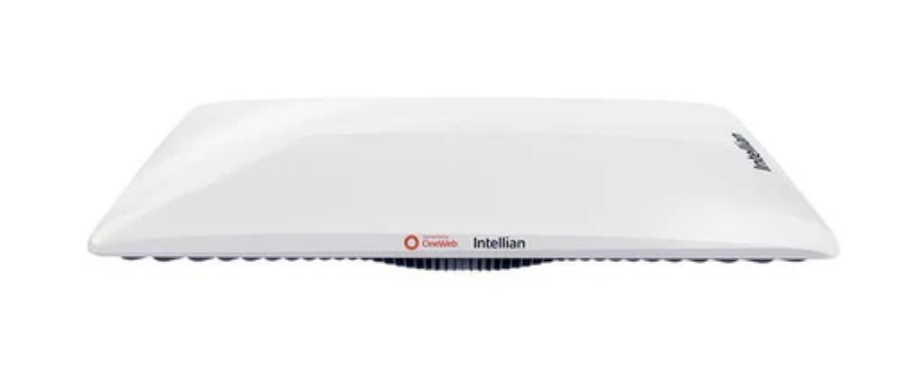
Intellian Ow11fv

At Remote Satellite Systems, we understand that dependable internet connectivity is mission-critical for organizations operating in remote or challenging environments. Whether you’re managing public safety operations, running industrial sites, or deploying temporary networks for emergency response, choosing the right Satellite Network Operator (SNO) can make all the difference.

Two of the biggest names in low Earth orbit (LEO) satellite internet (with many more to come) are  —Starlink and OneWeb—making major strides in the enterprise space. With Starlink now expanding its offerings beyond residential markets and OneWeb continuing to grow its global business-focused network, the competition for enterprise customers has never been more relevant. Here’s what you need to know.

Reliability in Critical Situations

When every second counts, reliability is paramount.

Starlink has earned global praise for its high download and upload speeds, particularly in areas where traditional internet options don’t exist. It’s proven to be a game-changer for rural communities, small businesses, and individuals who previously struggled to get online.

However, because Starlink’s network is still evolving, users have reported occasional service interruptions. While these may not be a problem for everyday use, they could be a concern in disaster response or other mission-critical applications.

OneWeb, in contrast, has built its network with a strong emphasis on performance and QOS – Quality of Service. Its infrastructure is designed to avoid congestion and minimize packet loss, providing steady performance even in geographically challenging regions. This reliability has positioned OneWeb as a dependable choice for industries that simply cannot afford downtime—such as energy, mining, and emergency services.

Customer Support That Matters

A fast, reliable connection is important, but responsive customer support can be just as critical.

Starlink currently relies on email-based support. While it can resolve many routine inquiries, the lack of direct phone assistance may not meet the needs of organizations that require rapid, real-time troubleshooting during urgent situations.

OneWeb offers 24/7 phone support, giving enterprises the ability to speak with a representative whenever needed. For many businesses and agencies, this live support provides added confidence that help is always just a call away.

Target Audience and Focus

While both Starlink and OneWeb aim to expand internet accessibility, their primary audiences differ.

OneWeb is primarily focused on commercial and governmental clients. Its services are tailored to First Responders and Business Continuity requirements, with options for dedicated bandwidth and integration into enterprise network solutions. This makes it especially valuable for organizations deploying Internet of Things (IoT) systems, supporting large-scale operations and deployments, or managing connectivity for multiple remote sites.

Starlink began as a consumer-focused service, targeting residential users in underserved rural areas. While it now offers enterprise packages, its network and support model still reflect its origins in the consumer space. For smaller businesses or organizations seeking straightforward, high-speed internet without specialized requirements, Starlink can be a strong option.

Performance and Bandwidth Options

Performance benchmarks vary between the two providers:

  • Latency: Starlink’s field-tested latency ranges from 40–50 milliseconds, slightly faster than OneWeb’s sub-100 millisecond performance. For applications where latency matters, Starlink may have an edge.
  • Bandwidth: OneWeb is optimized for mission critical communications and offers dedicated bandwidth packages with Static Public IP addresses, ensuring consistent connectivity and speeds regardless of network congestion. Starlink does not currently offer Static Public IP addresses and bandwidth assurance, which means connection can fail and speeds can fluctuate greatly during peak usage periods.

Satellite Network Scale

As of April 2025, Starlink operates more than 7,100 satellites, giving it extensive coverage and scalability. OneWeb’s network currently consists of 648 satellites, with coverage designed to prioritize global enterprise and government applications.

The larger Starlink constellation can provide broad consumer coverage, while OneWeb’s focused network aims to deliver steady, predictable service for professional users, with multi-period contracts and Service Level Agreements, SLA, ensuring fixed pricing and service commitments.

Which Should You Choose?

If your organization needs high-speed, widely available internet with slightly lower latency and you can work within email-based support channels, Starlink may be the right choice—particularly if your operations are in rural or isolated locations without critical uptime requirements.

If your organization demands uninterrupted connectivity, dedicated bandwidth, and around-the-clock phone support, OneWeb is likely the better fit. Its enterprise-first approach is built for industries and agencies where downtime is not an option.

Partnering for the Right Solution

Choosing the right satellite internet provider isn’t just about comparing speeds and coverage maps. It’s about finding a solution that meets your operational, logistical, and support needs—today and into the future.

At Remote Satellite Systems, we help organizations evaluate the strengths of each provider and design connectivity solutions that combine satellite, cellular, and private wireless networks for unmatched reliability. We’ve worked with clients in public safety, manufacturing, mining, oil, energy, and utilities to ensure they have the right tools for mission success.

As satellite internet technology continues to advance, we’re committed to helping you stay ahead. Whether Starlink, OneWeb, or a hybrid solution is the best fit, our team will work with you to deliver dependable connectivity wherever you need it most.

Contact us to learn more about enterprise satellite internet options and how we can tailor a solution for your organization.

Redefining Backup Communications with Smarter, Mobile Tech

Hughes Hl1120w Leo Terminal

Emergency communication systems are only as strong as the technology behind them. At Remote Satellite Systems, we’ve built our reputation by providing California’s most trusted backup communication solutions—and now, we’re leading the way into a new era of connectivity.

Mobile-ready hardware, low Earth orbit (LEO) satellite services, and priority cellular networks are transforming how public safety agencies, utilities, and emergency responders stay connected when it matters most. These technologies aren’t just upgrades—they’re game-changers.

The Shift from Stationary to Mobile

In the past, satellite communication systems were often bulky, stationary, and reliant on geosynchronous (GEO) satellites orbiting 22,000 miles from Earth. While GEO systems served their purpose, they’re now aging, becoming less efficient, and in many cases, no longer being replaced.

Today’s demands call for speed, mobility, and flexibility—and that’s exactly what LEO and hybrid cellular-satellite systems deliver. LEO satellites orbit much closer to Earth, offering significantly lower latency, faster data speeds, and better coverage, especially in remote or obstructed environments. And best of all, these systems can move with you.

Rugged, Portable, and Powerful: Gateway Super GIG

To support true mobility, we offer powerful, portable systems built for the field. Our Gateway Super GIG GO Cases are engineered for deployment anywhere—stored in the trunk of a vehicle or carried into a disaster zone.

  • GateWay M6E6 GO Case
    This heavy-duty unit features six cellular modems and twelve antennas, constantly searching across networks to lock onto the strongest signal—cellular or satellite. Ideal for high-bandwidth applications, mobile command centers, or large-scale operations.
  • GateWay 211 GO Case
    A lighter, more compact version with three modems, offering powerful connectivity in a streamlined design. It’s a go-to for smaller teams, individual vehicles, or less demanding deployments.

For in-building needs, these same technologies can be rack-mounted for permanent installation, delivering the same reliable connectivity without the suitcase-style housing.

Priority Cellular + LEO = Reliable Connectivity

What sets these systems apart is the ability to combine priority cellular networks—such as FirstNet for AT&T—with LEO satellite services like Starlink. The result is unmatched continuity. When one network is congested or unavailable, the system automatically shifts to the best available option.

This hybrid approach means:

  • Real-time video streaming and voice communication without delays
  • Reliable data transfers, even in high-demand or low-signal areas
  • Continuity of service across rural, mountainous, or disaster-affected regions

And because we offer unified airtime solutions, all your usage—across both satellite and cellular—is managed in one bucket, under one account. It’s simpler, smarter, and more cost-effective.

Why GEO Satellites Are Losing Ground

Geosynchronous satellites have been the foundation of satellite communications for decades. However, with their extreme distance from Earth, they introduce a half-second delay that hampers real-time communication, particularly for voice and video. Add aging infrastructure, high cost, and limited bandwidth, and it’s clear why GEO systems are being phased out.

LEO networks, on the other hand, deliver:

  • Ultra-low latency (ideal for time-sensitive operations)
  • Higher data speeds
  • More consistent coverage, even in remote or urban environments
  • A foundation for future connectivity, such as satellite-enabled smartphones already on the market

The transition to LEO is well underway, and we’re helping organizations make the switch with minimal disruption and maximum impact.

Ready for Anything, Anywhere

Our systems are designed for flexibility. They work on the move, at the scene, or deep in remote terrain. That’s why first responders, utility crews, and emergency planners throughout California trust us to deliver technology that works when everything else fails.

We don’t just provide hardware—we design full solutions:

  • Custom system recommendations tailored to your environment
  • Rapid deployment support
  • Rack-mounted or mobile installation options
  • Airtime management with real-time usage monitoring
  • Training and technical support from experienced professionals

When disaster strikes, you need confidence that your communications won’t break down. With our hybrid LEO and cellular systems, that confidence comes built in.

The Future Is Already Here

The line between cellular and satellite is blurring. Some newer smartphones already have built-in satellite emergency messaging. Soon, more phones will support satellite voice and data, bridging the gap between consumer devices and professional emergency systems.

We’re staying ahead of that curve by integrating satellite-capable hardware with the most advanced network technologies available. Whether you’re running a fleet of command vehicles or securing backup communications for a remote facility, we can build a system that meets your needs, as well as grows with them.

Let’s Upgrade Your Backup System

If your current backup communications rely on outdated GEO satellite systems—or if you’ve never combined satellite and cellular before—it’s time for a change. The tools, technology, and expertise are here. And so are we!

Remote Satellite Systems can help you transition to stronger, smarter, mobile-ready solutions built for reliability and speed. Let’s talk about how we can future-proof your operations today. Call us at 1-888-989-8199 or visit remotesatellite.com to learn more.

Smarter Emergency Backup: Why Redundancy Matters

Img 8047 (1)

In emergencies, communication isn’t optional—it’s essential. But when networks go down, how do you stay online? At Remote Satellite Systems, we engineer multi-path communication systems that keep you connected, even when your primary network fails.

Why Redundancy Is Essential

No single network—satellite or cellular—can guarantee 100% uptime. That’s why we use Gateway Aggregation, a strategy that combines multiple WAN sources into one reliable data stream. Our intelligent gateway appliance prioritizes traffic and automatically reroutes to the strongest available connection.

Networks We Integrate

• GEO, MEO & LEO satellites (Starlink, OneWeb, etc.)
• Wireless Priority Service (WPS) LTE networks like FirstNet by AT&T
• Traditional AT&T, Verizon, T-Mobile, US Cellular wireless services

This hybrid approach guarantees consistent, seamless communication—even in high-traffic or remote situations.

Starlink: A Great Tool, But Not Enough

Starlink’s portable kits are excellent for disaster response, offering quick deployment and high-speed internet almost anywhere. But it’s still a shared network—bandwidth can slow down during peak demand, and the service can’t guarantee full reliability. That’s why we use Starlink as part of a broader, redundant system—not the sole solution.

Our Complete Emergency Communication Kits

Designed for real-world use, our kits include:
• Rugged, multi-network mobile units
• Flyaway systems in durable Pelican cases with flexible power options
• Gateway Aggregators that manage all connections in real time
• Turnkey systems tailored to public safety, enterprise, and field ops

FirstNet + LTE: Cellular Redundancy Built In

We integrate FirstNet’s prioritized LTE for public safety, offering seamless voice, video, and data—even during surges. Models like the Dejero M6E6F & 211 Gateways provide high-speed nomadic service, with mobile deployment and public safety discounts.

Build Resilience, Not Dependence
When disaster strikes, redundancy isn’t a luxury—it’s a lifeline. Let Remote Satellite Systems create a solution that keeps you connected when it matters most. Contact us to learn more or request a custom system.

Building Redundancy: The Smarter Approach to Emergency Backup Communications

Building Redundancy: The Smarter Approach to Emergency Backup Communications

In today’s digitally connected world, reliable communication is critical—especially during emergencies. Whether you’re a first responder, public safety official, or a business operating in remote or disaster-prone regions, one question remains top of mind: How can we stay connected when primary networks fail?

At Remote Satellite Systems, we’ve spent decades designing and deploying redundant, multi-path communication systems that don’t leave anything to chance. With the rise of satellite-based internet like Starlink and OneWeb and the continuing importance of cellular networks like AT&T FirstNet, we understand that no single connection can be counted on in every scenario. The key is strategic redundancy.

Understanding Gateway Aggregation: Your Unified Connection Hub

Gateway Aggregation is a network design strategy that creates a unified point of access for multiple WAN (Wide Area Network) connections. Think of it like an intelligent traffic controller that optimizes every available route to get your data where it needs to go, fast.

Using a smart appliance known as a Gateway Aggregator, Remote Satellite Systems combines:

  • GEO (Geostationary) satellites
  • MEO (Medium Earth Orbit) and LEO (Low Earth Orbit) networks like Starlink and OneWeb
  • Priority LTE networks, including FirstNet by AT&T

By aggregating these connections into one optimized flow, we ensure the fastest, most reliable route is always available—even if one network fails.

Img 8047 (1)

Starlink as an Emergency Backup: A Powerful Tool, But Not the Whole Solution

Starlink has transformed emergency response possibilities with high-speed internet accessible from virtually anywhere.

However, while Starlink is powerful, it’s still a shared network that is being sold commercially as an end- all communication system. That means all users contend for bandwidth during high-traffic events—raising concerns about performance and reliability when it matters most.

The question remains: What happens if the Starlink network itself goes down or hits capacity?

Why One Network Isn’t Enough: The Case for Multi-Path Redundancy

True emergency preparedness requires failover options. That’s why we design every Remote Satellite System Solution with multi-path access and multiple primary WAN ports to connect to the digital world,  including the Enterprise OneWeb Satellite Network sitting side-by-side Starlink.

With our software-defined SD-WAN (Software-Defined Wide Area Network) technology, our smart gateway appliance automatically selects and balances the best connection at any given time. Whether the available signal is from a LEO satellite like Starlink and OneWeb , or a GEO satellite with guaranteed bandwidth, or FirstNet’s LTE public safety network, our systems dynamically adjust to deliver uninterrupted service.

FirstNet + AT&T: Adding Strength to the Signal

FirstNet, the AT&T-powered network for first responders, provides prioritized LTE connectivity. Our systems integrate FirstNet and traditional AT&T wireless to extend redundancy even further.

First responders and public safety professionals can benefit from:

  • Hassle-free, mobile deployment
  • Reliable voice, video, and data services
  • Models like the M6E6F & 211 delivering high-speed, nomadic service

These cellular options are seamlessly fused into our Gateway Aggregator, creating a resilient, hybrid communication system for mission-critical tasks.

Our Emergency Communication Solutions: What You Get

From disaster sites and mobile command centers to off-grid fieldwork and unpredictable emergencies, our communication solutions are designed for fast deployment and reliable performance. Built for harsh environments, each solution ensures uninterrupted connectivity when traditional infrastructure is down or unavailable.

These aren’t just generic bundles—they’re thoughtfully engineered systems built for real-world challenges. Every component is chosen to support critical operations with dependable, flexible, and redundant communication capabilities.

Remote Satellite Systems provides:

  • In-Building and Mobile On-The -Move solutions with multi-network support
    Built tough for demanding conditions, these units offer seamless communication across satellite and cellular networks—even in the most remote or volatile locations.
  • Pelican case transportable systems with custom power configurations
    Easily deployable systems housed in durable Pelican cases, equipped with external power ports, AC-DC converters, and USB-C power bank compatibility for maximum flexibility.
  • Gateway Aggregators that manage satellite + LTE connections in real-time
    Our smart gateway appliances automatically evaluate and select the strongest available signal—combining Starlink, OneWeb, GEO/MEO/LEO satellites, and LTE (including FirstNet) into one optimized data flow.
  • Turnkey emergency communication solutions for public agencies, enterprises, and private users
    We deliver end-to-end, ready-to-deploy systems tailored to each client’s unique operational demands—tested, trusted, and field-ready.

Build Resiliency, Not Dependency

No single technology can guarantee connectivity in all situations—but multiple technologies working together can. At Remote Satellite Systems, our mission is to engineer dependable, high-performance solutions that keep you online when the world goes dark.

If your organization depends on uninterrupted communication during a crisis, we’re here to help you design a system that won’t let you down. Contact Remote Satellite Systems today to learn more about our custom emergency backup solutions.

Why MSAT Satellite Radio Remains a Critical Lifeline for Emergency Systems

Why MSAT Satellite Radio Remains a Critical Lifeline for Emergency Systems

In the realm of Public Safety emergency response and critical public services, reliable communication is a non-negotiable necessity. While many organizations rely on advanced terrestrial networks, MSAT PTT Push-to-Talk Radio stand out as a vital, dependable solution when land-based systems falter. Whether responding to natural disasters, operating in remote regions, or ensuring continuity during crises, MSAT remains a cornerstone of robust emergency communications.

The Essential Role of MSAT in Critical Communications

The MSAT network, powered by Ligado Networks, provides reliable satellite voice and Push-to-Talk (PTT) capabilities that outshine conventional communication systems. MSAT’s satellite-based infrastructure bypasses vulnerabilities that traditional networks face, such as physical damage, power outages, or congestion during emergencies. This makes it a go-to solution for:

  • Natural Disasters: Hurricanes, earthquakes, wildfires, and other natural disasters can render cellular networks useless. MSAT ensures responders stay connected.
  • Remote Operations: In regions where no land-based network exists—such as offshore, mountainous terrains, or rural areas—MSAT’s coverage proves invaluable.
  • Critical Public Safety Services: From law enforcement to public utilities, MSAT supports reliable coordination under any circumstances.

Key Features of MSAT Backup Solutions

1. MSATe G2 Mobile Satellite Radio: Versatility Across Configurations

The MSATe G2 Mobile Satellite Radio is the backbone of Ligado’s MSAT services, designed to support various operational needs. Its key features include:

  • Seamless Integration: Easily connects to existing land mobile radio (LMR) networks, extending coverage without requiring expensive infrastructure upgrades.
  • Dual-Mode Functionality: Offers both Push-to-Talk (PTT) and traditional telephony capabilities, allowing users to switch between modes effortlessly.
  • Flexible Deployment: Available in mobile, fixed, and maritime configurations, the MSATe suits diverse industries and environments.

2. Push-to-Talk (PTT): Instant, Real-Time Communication

MSAT’s Push-to-Talk (PTT) service offers reliable, instantaneous voice communication across a wide area.

  • Massive Capacity: Supports up to 15 point-to-multipoint talkgroups, connecting as many as 9,999 users in each group.
  • Private Conversations: Enables one-on-one communication with Private Mode PTT.
  • Adaptable Coverage: Choose from regional, nationwide, or North American-wide coverage to suit operational needs.

3. Telephony Voice Services: As Easy as a Phone Call

MSAT’s telephony feature allows users to make and receive calls just like on any regular phone, with added benefits such as:

  • Local 10-digit numbers and optional toll-free lines.
  • Government Emergency Telecommunications Service (GETS) compatibility for priority calling.
  • Cost-effective dialing plans for North America.

4. GPS Fleet Tracking: Visibility at a Glance

Integrated GPS tracking makes MSAT ideal for fleet management. Key benefits include:

  • Automatic Updates: GPS coordinates are transmitted during PTT use or phone calls.
  • Real-Time Location Polling: Dispatchers can track active units anytime the device is powered on.
  • Fleet Optimization: Improves operational efficiency by offering precise location data for mobile and maritime units.

The Ligado SMART™ Program: A Game-Changer in Public Safety

One of the most compelling features of the MSAT network is its Satellite Mutual Aid Radio Talkgroups (SMART™) program. This initiative, pioneered by federal agencies such as the Department of Justice and the FBI, enhances interoperability among emergency responders and public safety officials.

  • Interoperable Talkgroups: SMART™ allows various agencies—federal, state, and local—to communicate seamlessly.
  • Disaster-Proof Connectivity: Unlike terrestrial networks, SMART™ is immune to congestion or physical damage caused by natural disasters.
  • Wide Adoption: SMART™ is used across the U.S. to support homeland security, law enforcement, and emergency response.

Who Benefits from MSAT Backup?

MSAT’s versatility ensures it serves a wide range of industries and applications with one -to-many communication requirements:

  1. Search and Rescue Teams
    When time is of the essence, reliable communication ensures quick coordination to save lives in isolated or hazardous areas.
  2. Utility Crews
    Power and water restoration teams rely on MSAT to coordinate their efforts in the aftermath of hurricanes, wildfires, or ice storms.
  3. Transportation Providers
    From logistics companies to railroads and trucking fleets, MSAT ensures seamless communication during day-to-day operations and emergencies.
  4. Maritime Operators
    MSAT’s maritime configurations enable fishermen and commercial shipping crews to stay connected in open waters, even far from terrestrial networks.
  5. Off-Road Racing Teams
    In remote areas where conventional radios fail, MSAT provides dependable communication for competitive and recreational racers.

MSAT’s Expansive Coverage

Powered by the Ligado SkyTerra 1 satellite, MSAT offers a wide footprint that spans:

  • North and Central America
  • Northern South America
  • The Caribbean
  • Hawaii and surrounding coastal waters

This extensive coverage ensures users stay connected, regardless of location or terrain.

Why MSAT Backup Matters Today

In an increasingly interconnected world, MSAT backup systems provide critical advantages:

  • Unmatched Reliability: Immune to physical infrastructure damage, MSAT ensures operations continue even during widespread outages.
  • Cost-Effective Expansion: Organizations can expand their communication reach without investing in extensive terrestrial infrastructure.
  • Future-Proof Technology: With compatibility for emerging technologies like IoT and 5G, MSAT remains a cutting-edge solution.

Trust MSAT for Uninterrupted Communication

In an era where connectivity underpins public safety, MSAT backup solutions shine as a reliable and indispensable tool for emergency services, utilities, and maritime operations. With features like Push-to-Talk, GPS tracking, and wide coverage, MSAT ensures seamless communication when you need it most.

Ready to elevate your communication capabilities? Visit Remote Satellite Systems International today to learn more about how MSAT solutions can meet your organization’s needs.

Contact Us

Contact us with any questions or concerns you may have and we will reply shortly.

  • This field is for validation purposes and should be left unchanged.

Or give us a call at 1.888.989.8199